Get Roof Fungus Removal
Roof fungus removal services help property owners eliminate mold, algae, and moss buildup to protect roof integrity and improve curb appeal.
Property owners in the area who notice unsightly stains, discoloration, or mold growth on their rooftops may find that roof fungus removal is an important step in maintaining the property's appearance and structural integrity. Fungal growth can lead to long-term damage if left unaddressed, making timely removal a practical consideration for preserving the value of a home or commercial building. Exploring local contractors who specialize in this service can help ensure that the job is handled effectively, using methods suited to the specific needs of the local climate and roofing materials.
For those planning maintenance or improvement projects, comparing options among local service providers can provide valuable insights into available approaches for roof fungus removal. Engaging with experienced contractors can also offer peace of mind, knowing that the work will be performed by professionals familiar with the common challenges faced in the area. Continuing to read can help property owners identify the right local experts to handle this task efficiently and effectively.
- Residential Roofs - homeowners noticing dark stains or mold growth on their roof may need fungus removal services.
- Commercial Buildings - business property managers seeking to maintain a clean, professional appearance often require roof fungus treatment.
- Leaking Roofs - roofs with persistent leaks or water damage might be affected by fungal buildup that needs removal.
- Older Roofs - aging roofs showing signs of discoloration or moss growth can benefit from fungal cleaning to extend their lifespan.
- Storm Damage Sites - properties affected by storms or heavy weather may experience fungal growth that requires prompt removal by local contractors.
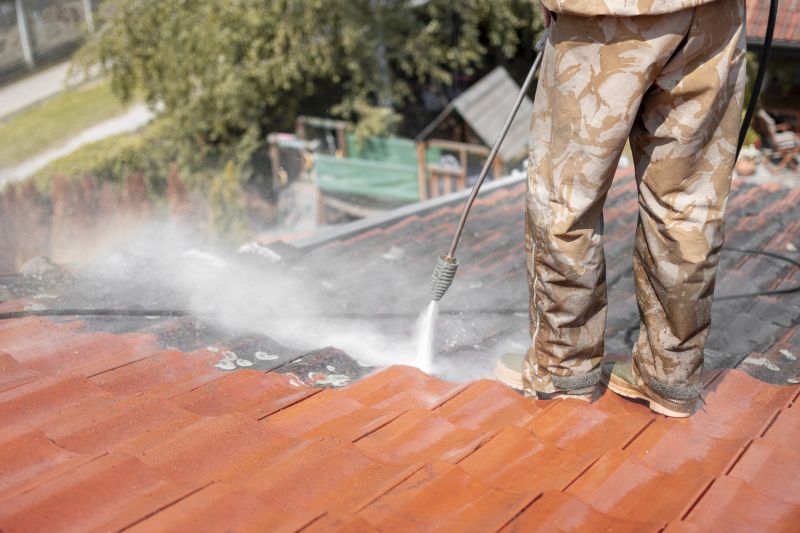
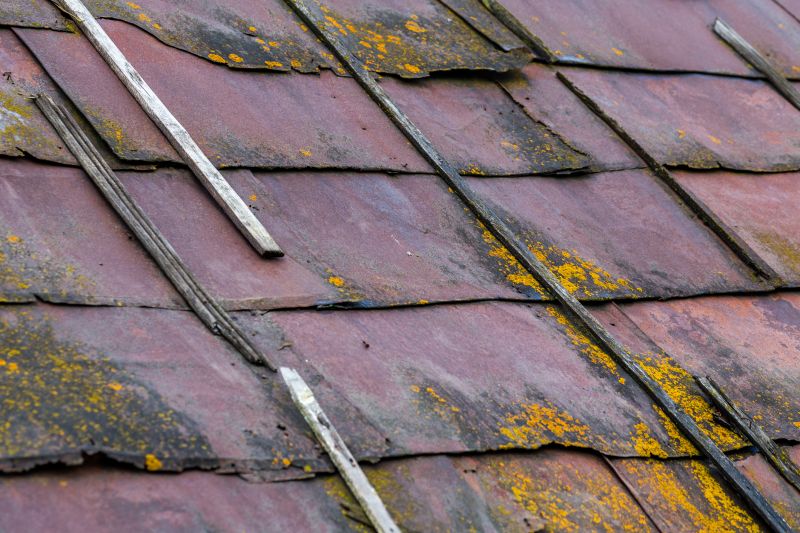
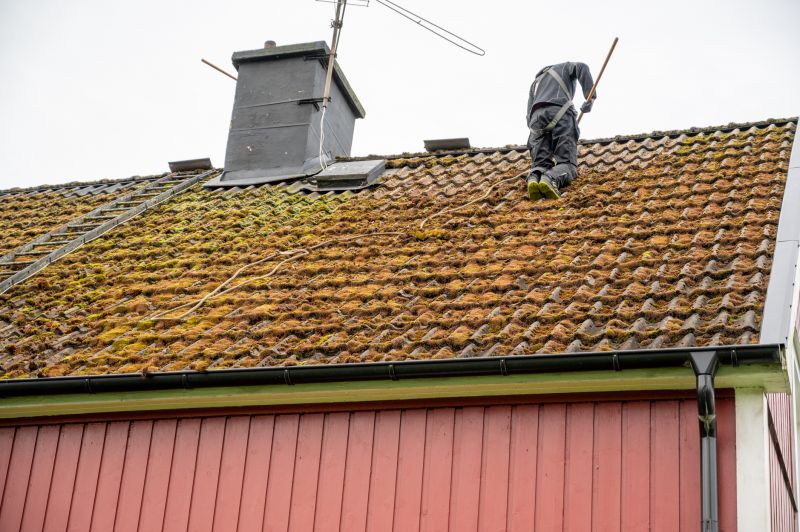
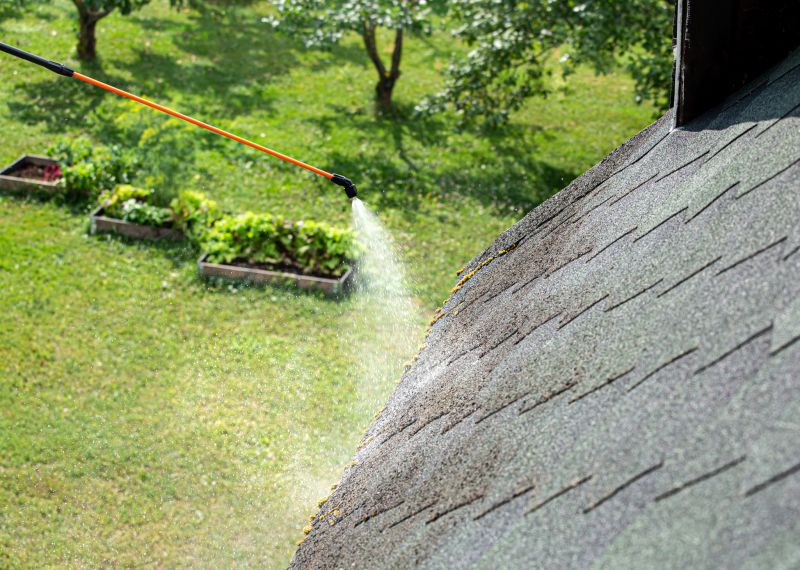
Roof fungus removal services focus on eliminating mold, algae, and moss that can grow on roof surfaces over time. These services typically involve inspecting the roof to identify fungal growth, applying specialized cleaning solutions, and sometimes using gentle scrubbing techniques to remove stubborn growths. The goal is to restore the roof’s appearance and prevent further fungal development, which can compromise the roof’s integrity if left untreated. Professional contractors use appropriate methods to ensure the roof is thoroughly cleaned without causing damage to shingles or other roofing materials.
Fungal growth on roofs can lead to several problems for homeowners. Algae and moss hold moisture against the roofing surface, which can accelerate the deterioration of shingles and other materials. Over time, this excess moisture can cause shingles to lift, crack, or decay, potentially leading to leaks or the need for costly repairs. Additionally, the unsightly appearance of fungal growth can diminish curb appeal and reduce the overall value of a property. Roof fungus removal services help address these issues by effectively cleaning and preventing future growth, extending the lifespan of the roof.
This type of service is commonly used on residential properties, especially those with shaded or humid environments where fungi thrive. Homeowners with homes in areas prone to moss or algae buildup, such as regions with frequent rainfall or dense tree cover, often seek roof fungus removal. It’s also popular for older roofs that may have accumulated more fungal growth over time. Commercial buildings and multi-family residences may also benefit from these services, particularly when maintaining a clean, professional appearance is a priority. Essentially, any property owner noticing dark streaks, greenish patches, or moss on their roof may find roof fungus removal to be a helpful solution.
Local contractors offering roof fungus removal services typically tailor their approach based on the roof type and extent of fungal growth. They can handle a variety of properties, from traditional asphalt shingle roofs to tile, metal, or wood shake roofs. Homeowners should consider this service if they observe persistent staining, slippery moss patches, or a decline in the roof’s visual appeal. Regular inspections and timely fungal removal can help prevent more severe damage and keep the roof looking its best. Contacting experienced local service providers ensures that the job is done effectively and safely, helping to maintain the roof’s durability and appearance over time.
The overview below groups typical Roof Fungus Removal projects into broad ranges so you can see how smaller, mid-sized, and larger jobs often compare in your area.
In many markets, a large share of routine jobs stays in the lower and middle ranges, while only a smaller percentage of projects moves into the highest bands when the work is more complex or site conditions are harder than average.
Smaller Repairs - typical costs for minor roof fungus removal projects range from $250 to $600. Many routine jobs fall within this middle range, depending on the extent of fungus and roof size. Fewer projects reach into the higher end of this spectrum.
Medium-Sized Projects - larger, more involved roof fungus removal jobs usually cost between $600 and $1,500. These projects often involve multiple areas or moderate roof complexity, with many projects landing in this range.
Extensive Treatments - comprehensive fungus removal for larger roofs can range from $1,500 to $3,000. Such projects are less common and typically require more extensive cleaning and treatment processes.
Full Roof Replacement - in cases where fungus has caused significant damage, full roof replacement costs can exceed $5,000. This is a less frequent scenario, often associated with long-term neglect or severe infestation.
Actual totals will depend on details like access to the work area, the scope of the project, and the materials selected, so use these as general starting points rather than exact figures.
Moss and Algae Removal from Exterior Walls - techniques for cleaning organic growths on building surfaces share similar tools and surface preparation methods used in roof fungus removal.
Gutter Cleaning and Debris Removal - involves cleaning and maintaining roof drainage systems, requiring similar access tools and safety considerations as roof fungus treatments.
Roof Inspection and Damage Assessment - assessing roof conditions for repairs or maintenance involves close examination skills applicable to identifying fungal growth and roof health.
Exterior Power Washing Services - utilizes high-pressure cleaning equipment to remove dirt, mold, and stains, paralleling the cleaning process in roof fungus removal.
Mildew and Mold Remediation - focuses on treating mold issues on various surfaces, requiring similar cleaning agents and surface preparation as roof fungus treatments.
Roof Leak Repair and Waterproofing - addressing leaks and applying protective coatings involves planning and surface preparation skills comparable to fungus removal projects.
When comparing service providers for roof fungus removal, it’s important to evaluate their experience with similar projects. Homeowners should seek out local contractors who have a proven track record of handling roof cleaning and fungus removal in environments comparable to their own. An experienced professional is more likely to understand the specific challenges posed by different roofing materials and local conditions, which can influence the effectiveness and longevity of the treatment. Gathering information about how long a contractor has been working on these types of projects can provide insight into their familiarity with best practices and common issues that may arise.
Clear, written expectations are essential to ensure everyone is aligned on the scope of work and desired outcomes. Homeowners should look for service providers who offer detailed descriptions of their process, including the methods used to remove fungus and any post-treatment recommendations. Having this information in writing helps prevent misunderstandings and provides a reference point throughout the project. It’s also helpful to inquire about warranties or guarantees related to the work, as these can serve as indicators of the contractor’s confidence in their results and commitment to quality.
Reputable references and good communication are vital factors when choosing a local contractor for roof fungus removal. Homeowners should ask for references from previous clients who had similar work done, to gain insights into the contractor’s professionalism, reliability, and the quality of their results. Additionally, service providers who are responsive and transparent in their communication tend to be more dependable, making it easier to address questions or concerns throughout the process. Remember, this site introduces homeowners to local options and facilitates connections, but it does not perform the work itself. Selecting a well-qualified, communicative, and experienced local contractor can help ensure the job is completed effectively and to satisfaction.
Property owners use Roof Fungus Removal services for practical projects around their homes and businesses. This guide focuses on everyday jobs and straightforward project options.
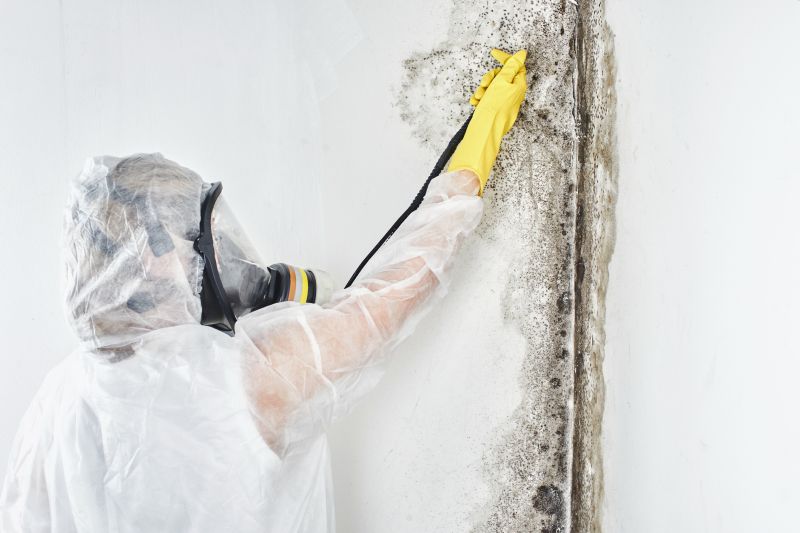
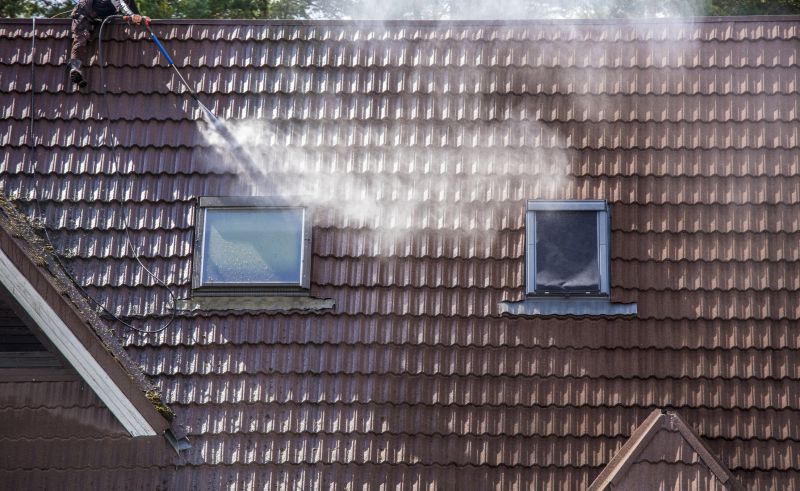
Roof fungus can develop on residential and commercial properties due to prolonged exposure to moisture, shade, or organic debris buildup. Property owners might notice dark streaks, discoloration, or a fuzzy appearance on their rooftops, which can lead to concerns about the integrity and appearance of their homes. Local contractors who specialize in roof fungus removal are often called upon to address these issues, helping to restore the roof’s look and prevent potential damage caused by mold or algae growth.
Many property owners seek roof fungus removal services when they observe signs of growth or want to maintain their property's curb appeal. Over time, moss, algae, and fungi can accumulate, especially in humid or shaded areas, making the roof look unkempt. Engaging with experienced local service providers ensures that the problem is handled effectively, protecting the roof’s surface and prolonging its lifespan without unnecessary worry.
What causes roof fungus growth? Roof fungus growth is typically caused by moisture, algae, and mold spores that thrive in damp, shaded environments on roofing materials.
How can roof fungus be identified? Roof fungus can be identified by the presence of black, green, or dark streaks and patches on the roof surface, often accompanied by a slimy or fuzzy texture.
Are there any health concerns related to roof fungus? Roof fungus can contribute to mold growth, which may affect indoor air quality and potentially cause respiratory issues for sensitive individuals.
What methods do local contractors use to remove roof fungus? Contractors typically use cleaning solutions, pressure washing, and sometimes biocidal treatments to effectively remove roof fungus and prevent regrowth.
How can homeowners prevent roof fungus from returning? Regular roof inspections, trimming overhanging branches, and keeping gutters clean can help reduce moisture buildup and minimize the risk of future fungus growth.
Prevent Roof Damage - Regular fungus removal can help maintain the integrity of roofing materials, preventing potential deterioration caused by mold and algae growth.
Improve Curb Appeal - Removing roof fungus can enhance the appearance of a home, making it look cleaner and more inviting for visitors or potential buyers.
Protect Indoor Air Quality - Eliminating mold and fungal growth on the roof can reduce the risk of spores entering the home, supporting healthier indoor environments.
Extend Roof Lifespan - Engaging local contractors for fungus removal can help preserve roofing materials and potentially prolong the life of the roof.
If you are thinking about Roof Fungus Removal for a property, this guide is meant to help you understand the work, the typical project types, and how different options might fit your plans.
When you are ready, you can use the quote form on this page to share a few details about your project. From there, local pros can review the basics and respond with options that match what you have in mind.